| Also known as | Uterus removal surgery, womb removal surgery |
| Used for | Selected cases of uterine fibroids, adenomyosis, endometriosis, uterine prolapse, abnormal uterine bleeding and certain gynaecological cancers or precancerous conditions |
| How it works | The uterus is surgically removed, with the cervix, fallopian tubes and/or ovaries also removed in some cases depending on the indication and type of hysterectomy |
| Anaesthesia | Usually performed under general anaesthesia; some vaginal or abdominal procedures may be performed with regional anaesthesia in appropriate circumstances |
| Surgical approaches | Vaginal, laparoscopic, robotic-assisted or abdominal hysterectomy |
| Hospital stay | Varies according to the surgical approach, complexity of the procedure and individual recovery |
| Downtime | Several weeks; recovery varies according to the surgical approach and individual patient factors |
| Treatment course | Usually a single surgical procedure followed by post-operative follow-up |
| Suitable for | Women with certain gynaecological conditions for whom hysterectomy is considered an appropriate treatment after assessment and discussion of available alternatives |
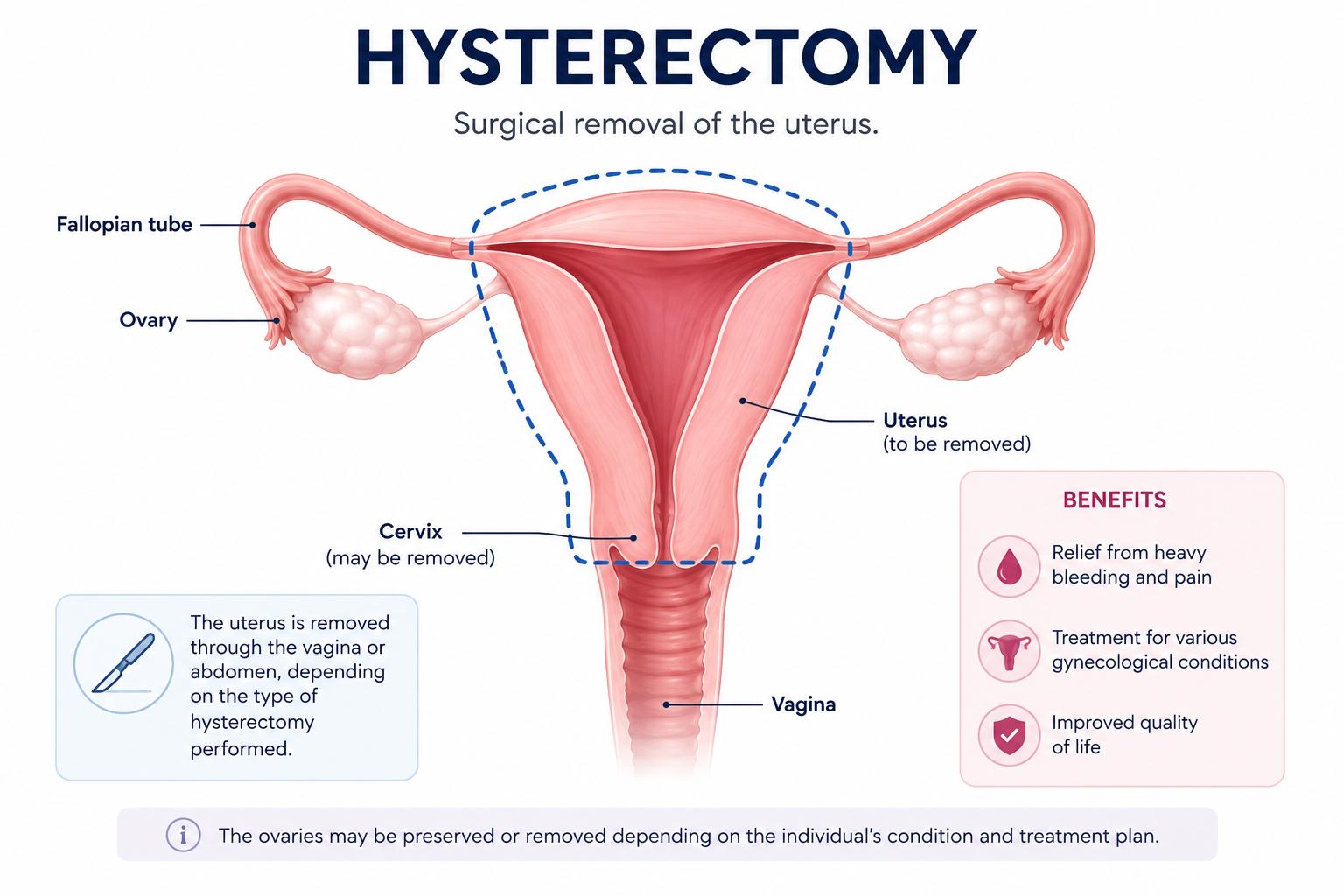
A hysterectomy is a surgical procedure to remove the uterus, the muscular reproductive organ where a pregnancy develops. Depending on the reason for surgery, the cervix, fallopian tubes, ovaries or surrounding tissues may also be removed. Once the uterus has been removed, menstrual periods stop permanently and it is no longer possible to carry a pregnancy.
Having a hysterectomy does not automatically mean that the ovaries are removed. The ovaries produce hormones such as oestrogen and progesterone and may be preserved when there is no medical reason to remove them. If the ovaries remain, they can continue producing hormones even though menstrual periods no longer occur. If both ovaries are removed before natural menopause, however, the resulting loss of ovarian hormones causes surgical menopause.
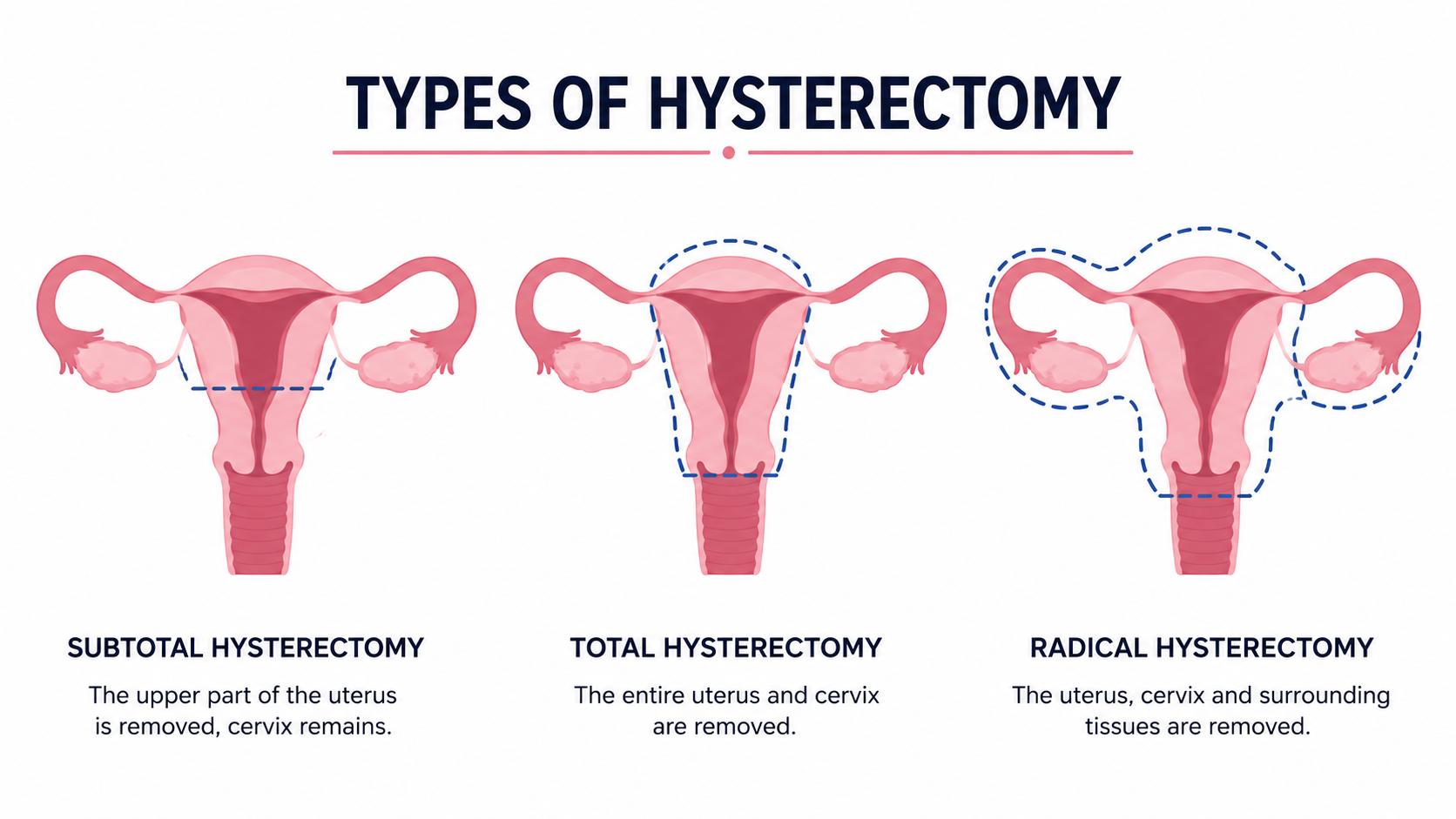
Hysterectomies can be classified according to which reproductive structures are removed. The type recommended depends primarily on the condition being treated and the extent of surgery required.
A hysterectomy may be considered when a gynaecological condition causes significant or persistent symptoms, when other treatments have not provided adequate relief or are unsuitable, or when removal of the uterus is required as part of treatment for certain cancers or precancerous conditions.
Some conditions for which a hysterectomy may be considered include:
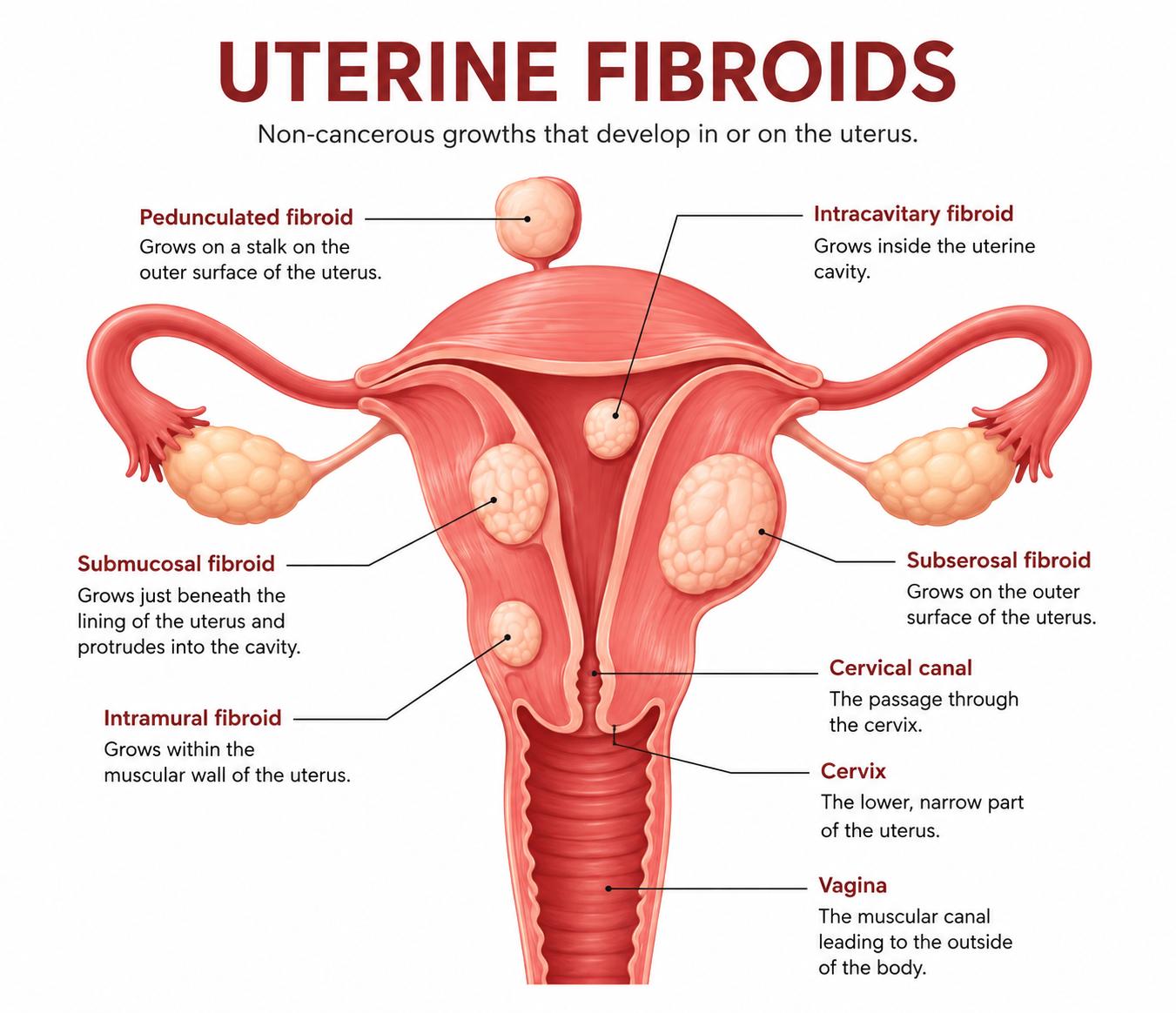
For benign conditions, hysterectomy is not necessarily the first treatment offered. The decision depends on the severity of symptoms, response to previous treatment, reproductive plans, overall health and whether less invasive or uterus-preserving options are appropriate.
A hysterectomy can be performed using different surgical approaches. The most appropriate method depends on the condition being treated, uterine size, previous surgery, individual anatomy and the extent of the planned procedure.
A hysterectomy is performed in hospital, with the exact steps depending on the type of hysterectomy and the surgical approach being used. The procedure generally involves the following stages:
| Stage | What Happens |
|---|---|
| Pre-operative Preparation | Before surgery, your medical history, investigations and medications are reviewed. You will also receive instructions about fasting and other preparations required before the operation. |
| Anaesthesia | Hysterectomy is commonly performed under general anaesthesia, although regional anaesthesia may be used for certain procedures when appropriate. |
| Surgical Access | The surgeon accesses the uterus through the vagina, several small abdominal incisions or a larger abdominal incision, depending on the surgical approach selected. |
| Separating the Uterus | The uterus is carefully separated from its supporting tissues, blood vessels and surrounding structures in preparation for removal. |
| Removing the Uterus | The uterus is removed using the planned surgical approach. The cervix may be removed or retained depending on the type of hysterectomy. |
| Removing Additional Structures | The fallopian tubes, ovaries or surrounding tissues may also be removed when clinically indicated. These structures are not automatically removed during every hysterectomy. |
| Closing the Surgical Site | Once the planned surgery is complete, the surgical site and any abdominal incisions are closed as appropriate. |
| Recovery and Monitoring | You are transferred to a recovery area where your vital signs, pain levels and overall condition are monitored as you recover from anaesthesia. |
For appropriately selected patients, hysterectomy can provide definitive treatment for conditions that arise from the uterus and cause persistent or significant symptoms. The potential benefits depend on the underlying condition and the reason surgery is being performed.
Hysterectomy and myomectomy are both surgical options that may be considered for uterine fibroids, but they differ fundamentally in what is removed. A hysterectomy removes the uterus, whereas a myomectomy removes the fibroids while preserving the uterus.
| Hysterectomy | Myomectomy | |
|---|---|---|
| What is Removed? | The uterus; additional reproductive structures may also be removed when indicated | Fibroids are removed while the uterus remains in place |
| Is the Uterus Preserved? | No | Yes |
| Future Pregnancy | Carrying a pregnancy is no longer possible | Pregnancy may remain possible after recovery, although individual fertility depends on several factors |
| Menstrual Periods | Stop permanently | Usually continue |
| Fibroid Recurrence | Uterine fibroids cannot recur because the uterus has been removed | New fibroids may develop after surgery |
| Suitability | May be considered when definitive treatment is appropriate and future pregnancy or uterine preservation is not required | Often considered when removing fibroids while preserving the uterus is desired and clinically appropriate |
A hysterectomy may be considered when a gynaecological condition causes significant or persistent symptoms, particularly when other treatments have been unsuccessful or are unsuitable. It may be appropriate for women with:
A hysterectomy is a permanent procedure, so it’s important to understand its implications for fertility, menstruation and hormonal health, as well as the treatment alternatives available. Important considerations before surgery include:
After a hysterectomy, you will be monitored as you recover from anaesthesia. Some pain or discomfort and light vaginal bleeding or discharge can occur during the early recovery period. Pain relief is provided as needed, and you will usually be encouraged to start moving and gradually resume eating and drinking when it is safe to do so.
Before discharge, you will receive instructions on wound care, medications and activities to avoid while healing. Heavy lifting and strenuous exercise will usually need to be limited temporarily, and sexual intercourse should be avoided until adequate healing has occurred. Follow-up appointments are arranged to monitor your recovery and address any concerns.
Recovery depends largely on the surgical approach and the extent of the procedure. Vaginal, laparoscopic and robotic-assisted hysterectomies generally have a shorter recovery period than open abdominal hysterectomy. Many patients progressively return to normal activities within a few weeks after minimally invasive surgery, while recovery after abdominal hysterectomy commonly takes around 6 to 8 weeks.
Recovery also varies according to your overall health, the complexity of surgery, whether complications occur and the physical demands of your work. Even when you begin to feel better, internal healing continues, so your doctor's advice regarding exercise, lifting, driving and sexual activity should be followed.
A hysterectomy does not necessarily cause immediate menopause. If the ovaries are preserved, they can continue producing hormones even though menstrual periods permanently stop because the uterus has been removed. However, some women may experience menopause earlier than expected following hysterectomy despite retaining their ovaries.
If both ovaries are removed before natural menopause, their hormone production stops and surgical menopause occurs immediately. Whether the ovaries should be preserved or removed depends on factors such as age, the condition being treated and individual health risks.
No, it is not possible to carry a pregnancy after a hysterectomy because the uterus, where a pregnancy develops, has been removed. This applies regardless of whether the ovaries are preserved during the procedure. Menstrual periods will also permanently stop after surgery.
For women who may wish to carry a pregnancy in the future, this permanent effect on fertility is an important consideration before undergoing hysterectomy. Depending on the condition being treated, uterus-preserving options may be available and should be discussed before making a treatment decision.
Hysterectomy is a major surgical procedure that permanently removes the uterus and may be performed for conditions such as symptomatic uterine fibroids, adenomyosis, persistent abnormal uterine bleeding, uterine prolapse and certain cancers or precancerous conditions.
Depending on the diagnosis, surgery may involve removal of the uterus alone or the cervix, fallopian tubes or ovaries as well. Hysterectomy can be performed vaginally, laparoscopically, with robotic assistance or through an abdominal incision, with the most appropriate approach determined by the condition, extent of surgery and individual clinical factors.
For conditions arising from the uterus, hysterectomy can provide definitive treatment and permanently stop uterine menstrual bleeding. However, it also permanently removes the ability to carry a pregnancy, while removal of both ovaries before natural menopause results in surgical menopause. Recovery varies according to the surgical approach, with minimally invasive procedures generally allowing a faster recovery than open abdominal surgery.
If you are considering a hysterectomy in Singapore, schedule a consultation with Dr Ma Li to understand the benefits and risks of surgery, discuss uterus-preserving alternatives where appropriate, and determine the treatment approach suited to your individual needs.
Yes. A hysterectomy is a major surgical procedure, although the extent of surgery and recovery varies considerably depending on whether it is performed vaginally, laparoscopically, robotically or through an abdominal incision.
Hospital stay depends on the surgical approach, complexity of the procedure and your recovery. Minimally invasive hysterectomy generally requires a shorter hospital stay than open abdominal surgery.
This depends on the type of hysterectomy, your recovery and the physical demands of your job. Desk-based work may be resumed earlier than work involving prolonged standing, lifting or strenuous activity.
Gentle walking is usually encouraged during early recovery, while strenuous exercise and heavy lifting should be avoided until sufficient healing has occurred. Your doctor will advise when activities can be increased safely.
Vaginal intercourse should be avoided while internal tissues are healing, commonly for around six weeks or until your doctor confirms that healing is adequate. Recovery time can vary between patients.
No. Uterine fibroids cannot recur after a hysterectomy because the uterus has been removed. This is one reason hysterectomy is considered a definitive surgical treatment for uterine fibroids.